What no sign-up means here
It means what it says. There is no email field, no password, no confirmation link and no card, and the first picture is generated before you have identified yourself in any way. The free credits are counted against a one-way hash of your network connection rather than against an account, which is what makes an anonymous allowance possible at all.
One consequence is worth knowing before it surprises you: because the balance follows the connection, an office or a household on one network shares it. If the credits look spent before you started, that is usually why, and signing in gives you a balance of your own.
A short security check runs before each generation. An anonymous endpoint that costs real money per call is otherwise a standing invitation to automated abuse, and without it there would be no free tier left to defend. In normal use it passes without you doing anything.
Restrictions: what is here and what is not
People searching for an AI image generator without restrictions usually mean one of three different things, and they deserve three separate answers rather than one slogan.
If you mean an export wall or a resolution cap — a download button that turns out to need a subscription, or a file handed back smaller than the one you asked for — neither of those exists here. The download link appears with the result and gives you the whole image, with no watermark on it, on any tier.
If you mean the allowance, that restriction is real, and it is printed on the pricing page rather than buried in a footnote. Every generation costs money to run. A free tier advertised as having no ceiling at all is either collecting something else from you or is not going to be here next year, and we would rather print the number.
And if you mean content — a generator that will draw anything at all — then no, and it is better to say so on the way in than to let you find out by spending credits. Every model here applies its provider's safety filter and some requests are declined. A refusal costs you nothing: the credit for a generation that never happened is returned automatically.
What it is genuinely good at
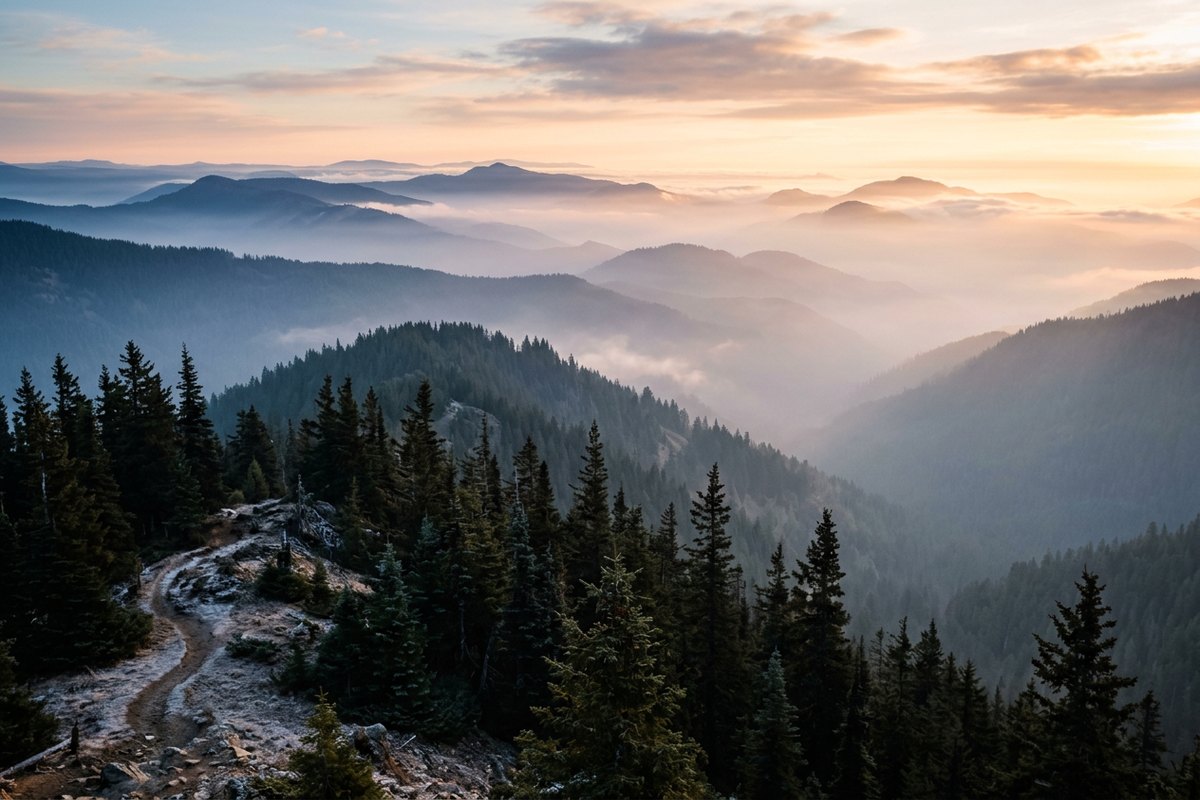
Backdrops, textures and scenes with no named subject are the strongest case. A misty pine forest, a worn concrete wall, an empty café at dusk — anything where "plausible" is the whole requirement and there is nothing specific to get wrong. These come back usable on the first attempt more often than not.
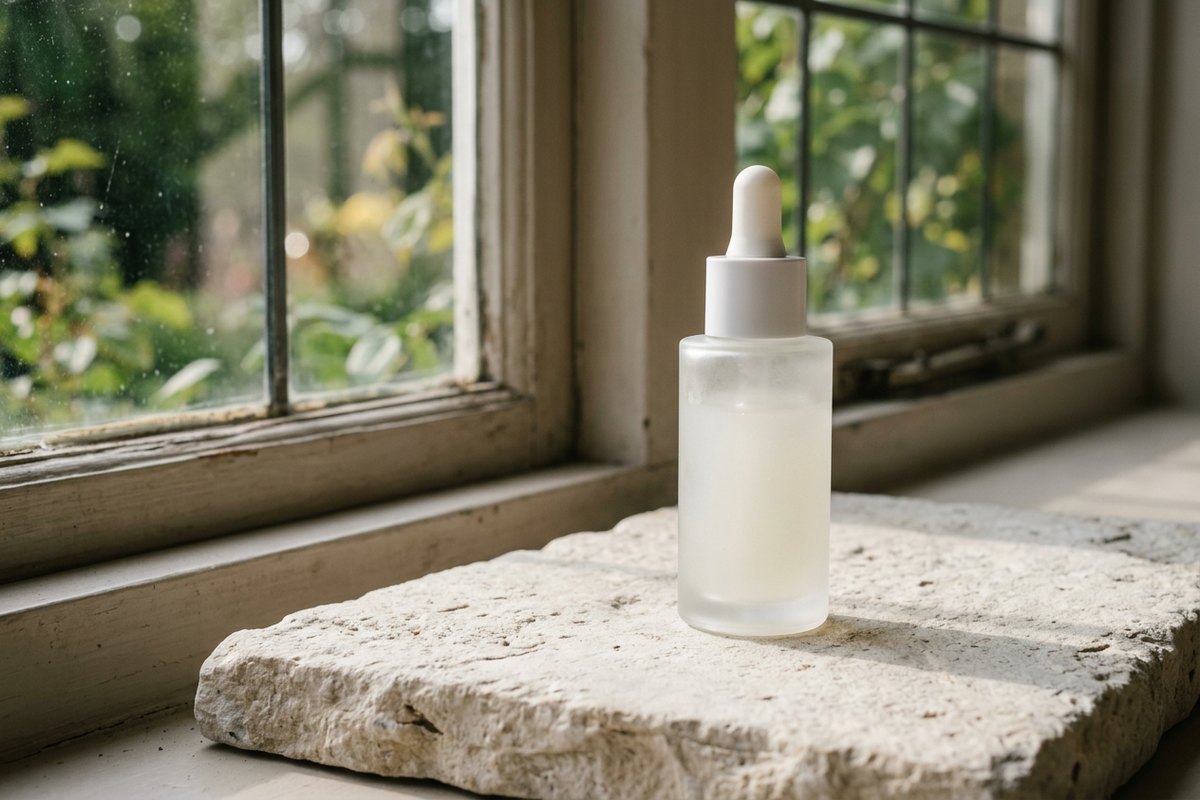
Objects on plain surfaces are the second. A ceramic mug on a windowsill, a stack of books, a bowl of fruit under one soft light: a single subject, a simple setting, and no face for a small error to land on.
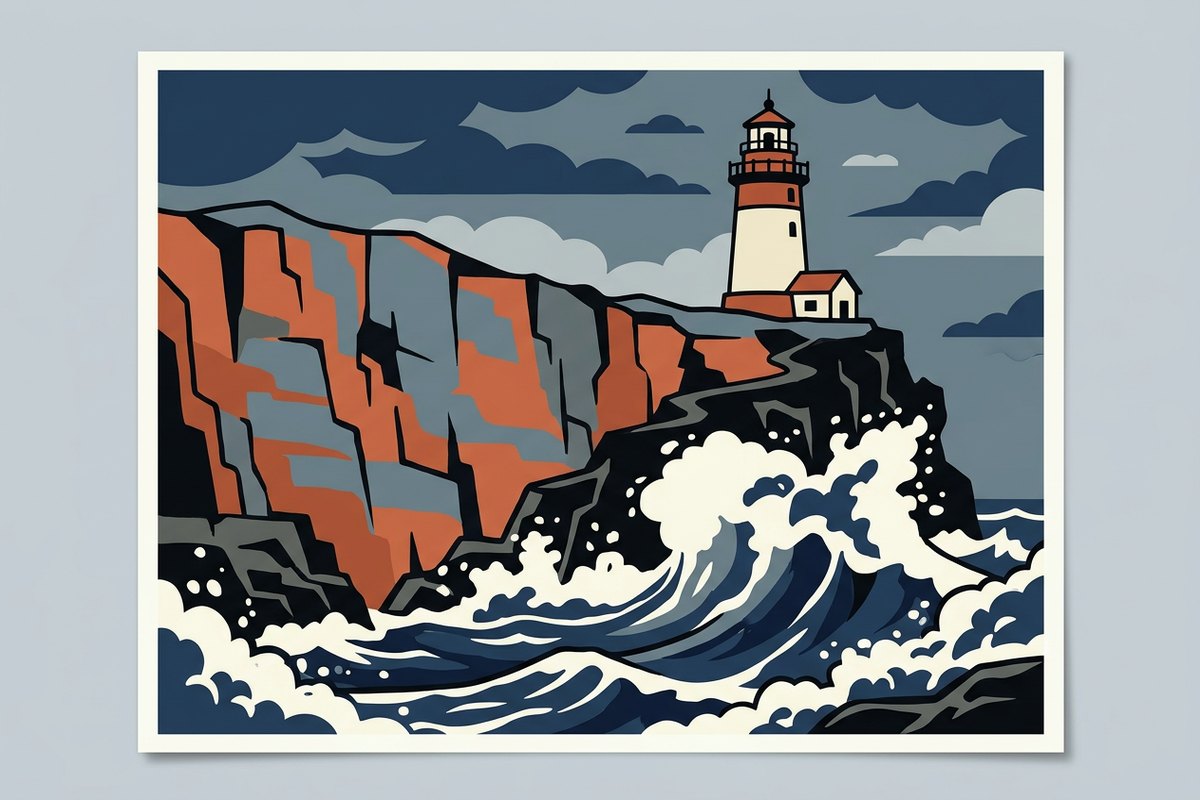
Illustration and concept work is the third, and it is where the models are strongest relative to what a person could produce in the same fifteen seconds. Cover art, a header behind a headline, a mood board, a rough visual for something that has not been photographed yet.
What connects all three is that nothing in the frame has to match a thing that exists. That is the line to keep in mind when you decide whether this page or the editing side of the site is the right tool for the job in front of you.
What it is bad at, stated before you spend anything
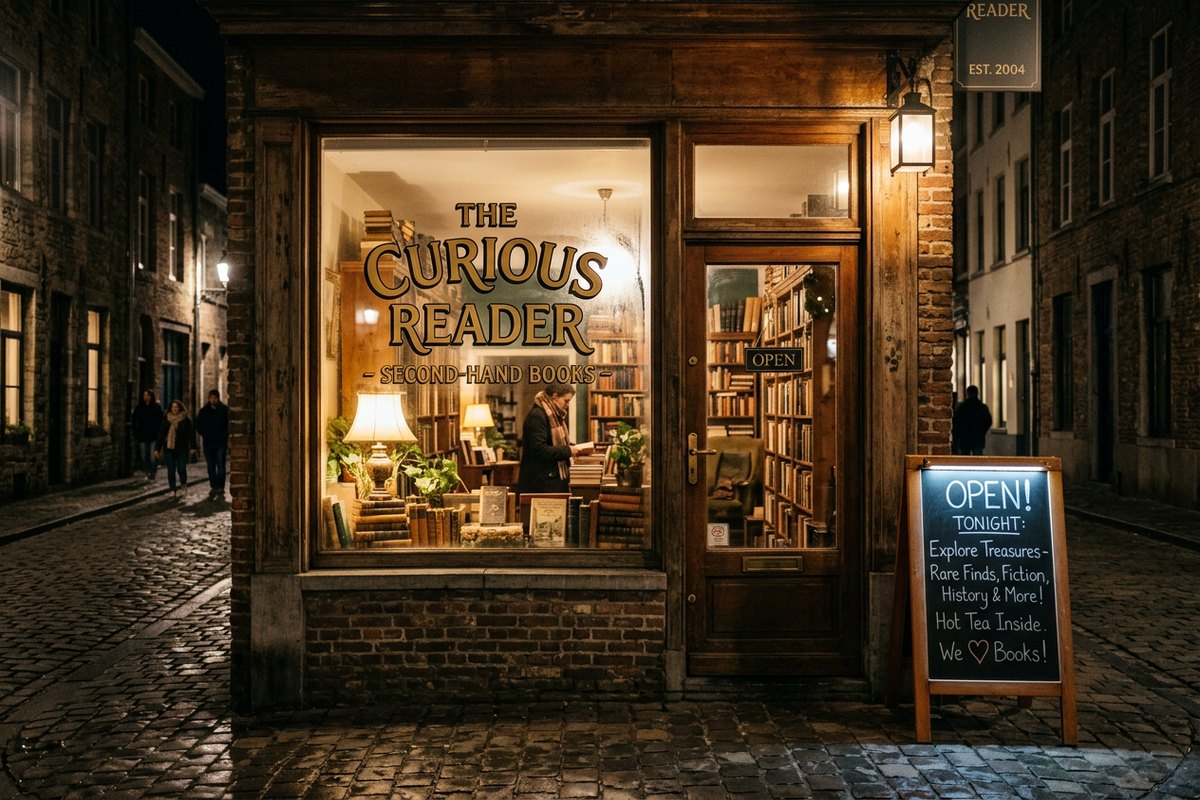
Writing inside the picture. A sign, a label, a book spine, a shopfront — the model produces shapes with the rhythm of text and no letters in them. Short words sometimes survive; a sentence does not.
Counting. Ask for four chairs and you may get three or five, and the more identical objects a scene contains the less reliable the number becomes. The same weakness produces the hands people joke about.
Consistency across separate pictures. Each generation is independent, so the same described character comes back as a different person each time. There is no way to hold one identity steady across a set here, and a page that promised otherwise would be selling you something we do not have.
Real people, real logos and exact brand colours. A named person comes back as somebody who merely resembles the description, a logo comes back as an approximation, and a hex value is not something a description can carry. If any of those has to be exact, generate the scene and composite the exact thing in afterwards.
Writing a description that lands
Lead with the subject, then the setting, then the light. "A ceramic mug on a windowsill in low winter light" gives the model three decisions in the order it makes them. A paragraph of atmosphere gives it none of them and a great deal of freedom.
Concrete nouns beat adjectives. "Worn oak table" outperforms "beautiful rustic surface" every time, because one names a thing the model has seen a great deal of and the other names an opinion.
Say the shape you need if the picture has a destination — a wide header, a square card — rather than cropping a tall picture afterwards and losing the part that made it work.
Then change one phrase at a time. The first result is a draft, and the useful move is almost always to keep the description that nearly worked and adjust three words in it, rather than writing a new one and starting the search over.
If what you actually have is a photograph that needs changing rather than a picture that needs inventing, that is image to image AI, and it is a different page with a different starting point.
The watermark, and what you may do with the result
No. Nothing made here carries a watermark — not an edit of your own photograph and not a picture generated from a description, on any tier, including anonymous free use. Plenty of free generators stamp their output; this one hands you the file clean and lets the picture speak for itself.
Commercial rights work the same way they do everywhere else here. Pro and above carry them; free and Starter results are for personal use. That is a licence question rather than a technical one — the file is identical either way.
One thing worth knowing where the law has not settled. Our terms give you the pictures you make here, but in several countries a purely machine-generated image attracts no copyright of its own — which affects what you could stop somebody else doing with something similar, rather than what you may do with it yourself. That is context rather than advice, and it is the reason a generated picture is a weaker foundation for a brand mark than a drawn one.
Cost, limits and privacy
12 free credits are yours with no account, spent once, across whichever models the free tier reaches. Signing in adds 12 fresh credits every day — the same balance a stranger gets once, arriving again each morning, which is what makes a second and third attempt at a description affordable.
Results sit at a temporary link that expires on its own: 1 day anonymously, 7 days with a free account, and for as long as you subscribe plus 90 days on a paid plan. Download what you want to keep.
There is a twenty-second gap between generations, so a burst of rapid retries waits rather than queues. There is no public gallery of anything made here, and a generation made anonymously has nothing attached to it at all — no account, no history, nothing to look it up by afterwards.
Questions people ask
Do I need an account or an email address?
No. No email, no password, no card and no confirmation step. The free credits are counted against a hash of your connection, so the first picture is generated before anything has asked who you are.
Are there any restrictions?
Three answers, because the word covers three things. No export wall and no resolution cap — the download is the full image. The credit allowance is a real limit and it is printed on the pricing page. And every model applies its provider's safety filter, so some requests are declined; when one is, the credit comes back.
Is the generated image watermarked?
No. Nothing made here is watermarked — not a picture generated from a description and not an edit of a photograph you uploaded, on any tier. Plenty of free generators stamp their output; this one hands you the clean file.
Can I use a generated picture commercially?
Commercial rights come with Pro and above; free and Starter results are for personal use. Note separately that in several countries a machine-generated picture may attract no copyright of its own, which matters if you want to stop others reusing something similar.
Why was my request declined?
A safety filter belonging to the model provider judged it outside what that model will draw. We do not see a reason beyond the refusal itself. A different wording or a different model sometimes goes through, and a declined generation is refunded rather than charged.
Why is the text in the picture wrong?
Because it is drawn rather than typed. The model reproduces the look of writing without the characters. Short words occasionally survive; anything longer will not. Add real text over the picture afterwards.
How many pictures do I get for free?
12 credits without an account, spent once, and the cost per picture depends on the model and the size you pick. An account adds 12 fresh credits every day.
Can I get the same character in several pictures?
No. Each generation is independent, so a described person comes back looking different every time. Nothing here holds one identity steady across a set, and it is better to know that before you build a plan around it.
Can I change a photo I already have instead?
Yes, and that is a different starting point: you upload the picture and describe the change rather than describing the whole scene. Those results carry no watermark either.
Do you keep what I generate?
Only for as long as the result link lives — 1 day anonymously, 7 days with a free account — and then it expires on its own. There is no public gallery of anything made here, and an anonymous generation has no account to be attached to in the first place.